The Art & Craft Workshop series spotlights and explores various poetic forms, features, themes, and aspects of the poem-writing and revising process. These are spaces for us to connect to and through poetry; to start, tend to, or revive a creative practice; and to expand our knowledge of contemporary poetry together.
Participants will leave each session with the beginning of a draft, a list of recommended reading for further study, and several writing and revising exercises. Each workshop also includes an invitation to a peer feedback session, where writers will be guided through providing and receiving feedback to each other.
These programs are intended for folks 18 years and older, of all levels of experience, knowledge, and skill in reading, discussing, and writing poetry. Program topics, dates, and registration will be announced here and through my monthly newsletter. Please note that sessions are live online and never recorded.
SEPTEMBER PROGRAMS
All September programs are “pay what you can.” If you would like to support these programs, there is a button for contributions below (just FYI the amounts are set by Squarespace, not me, and you are very welcome to select your own amount) or via my Venmo @Maggie-Queeney.
If any amount is a barrier to you, you are very welcome to participate without contributing financially. It is important to me that these programs remain as accessible as possible to as many people as possible.
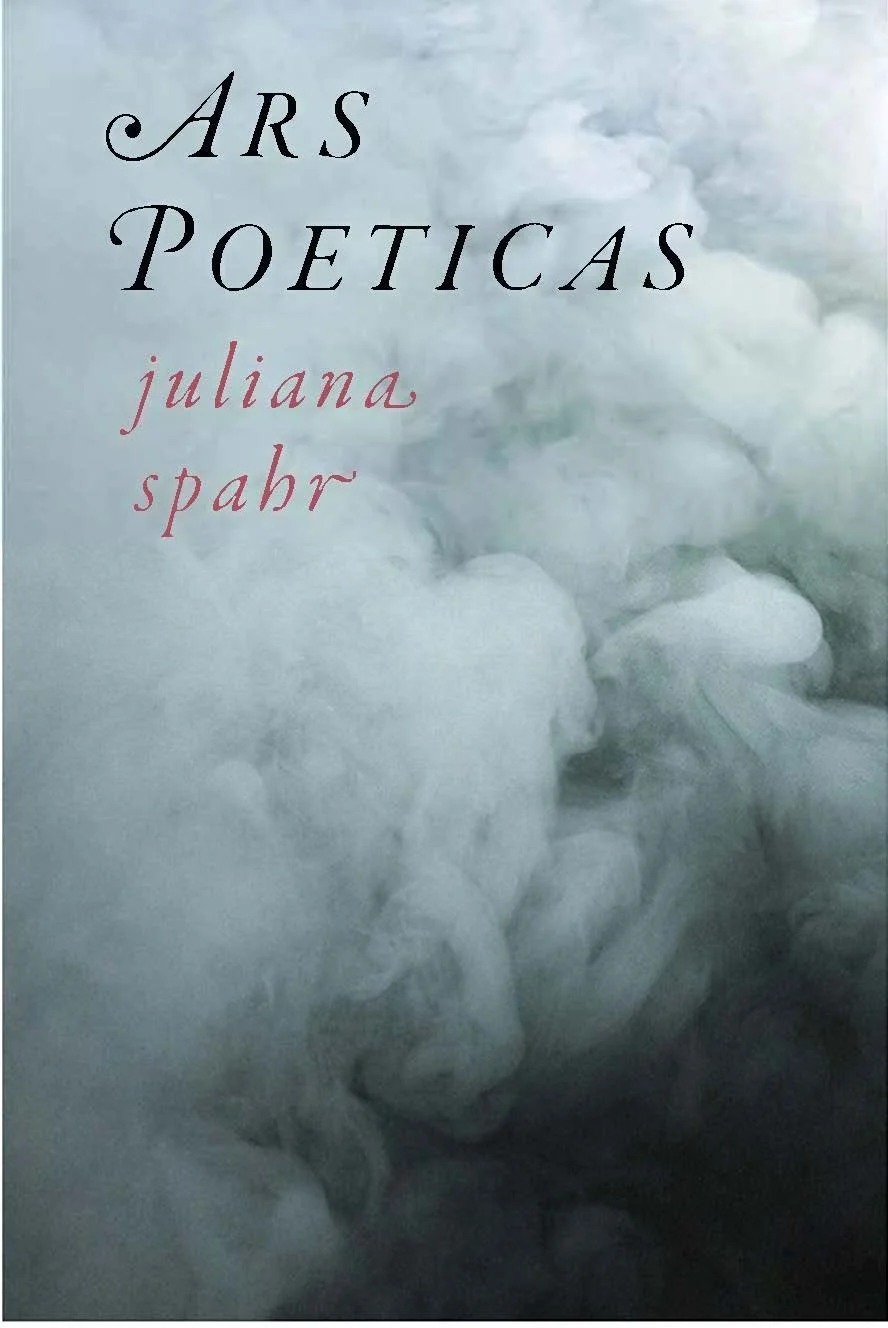
Join us for the September Poetry Book Club discussion of Ars Poeticas by Juliana Spahr , winner of the 2026 Pulitzer Prize in Poetry, on Friday, September 25th, 12:00 PM-2:00 PM CT.
All are welcome, but space is limited to allow for discussion and participation. Participants should read a copy of the collection beforehand and select one poem they would like the group to discuss.
Art & Craft Poetry Workshop on the Golden Shovel
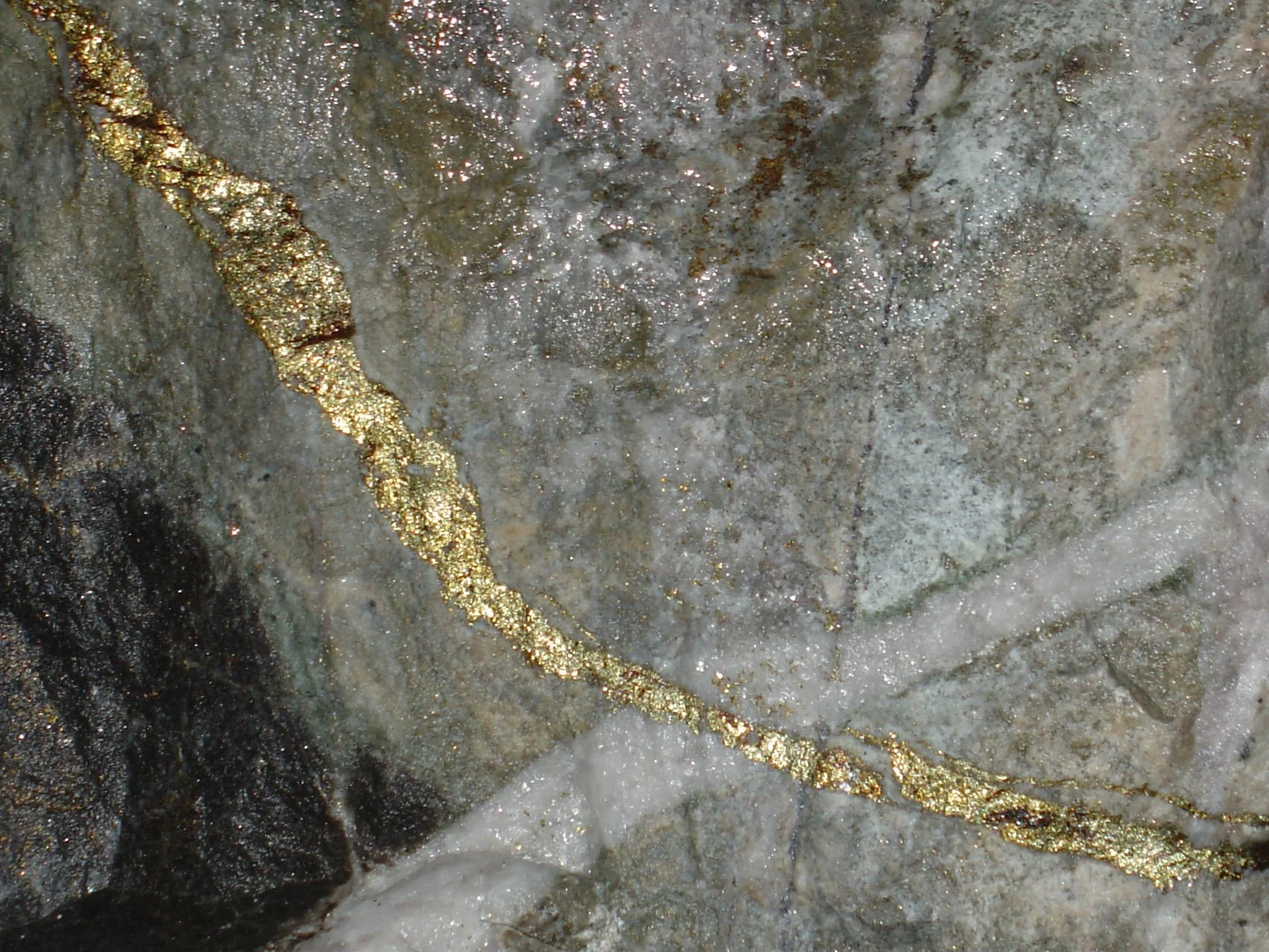
The Golden Shovel is a poetic form where the end word of each line comes from another poet’s line of poetry. Created by the poet Terrance Hayes to honor the poet Gwendolyn Brooks, the Golden Shovel allows a conversation, a collaboration, that blurs the division between listening and speaking, reading and writing.

The Golden Shovel is a poetic form where the end word of each line comes from another poet’s line of poetry. Created by the poet Terrance Hayes to honor the poet Gwendolyn Brooks, the Golden Shovel allows a conversation, a collaboration, that blurs the division between listening and speaking, reading and writing.

The Golden Shovel is a poetic form where the end word of each line comes from another poet’s line of poetry. Created by the poet Terrance Hayes to honor the poet Gwendolyn Brooks, the Golden Shovel allows a conversation, a collaboration, that blurs the division between listening and speaking, reading and writing.
The Golden Shovel is a poetic form where the end word of each line comes from another poet’s line of poetry. Created by the poet Terrance Hayes to honor the poet Gwendolyn Brooks, the Golden Shovel allows a conversation, a collaboration, that blurs the division between listening and speaking, reading and writing.
September Poetry Book Club
Join us for the September Poetry Book Club discussion of Ars Poeticas by Juliana Spahr , winner of the 2026 Pulitzer Prize in Poetry, on Friday, September 25th, 12:00 PM-2:00 PM CT.
All are welcome, but space is limited to allow for discussion and participation. Participants should read a copy of the collection beforehand and select one poem they would like the group to discuss.